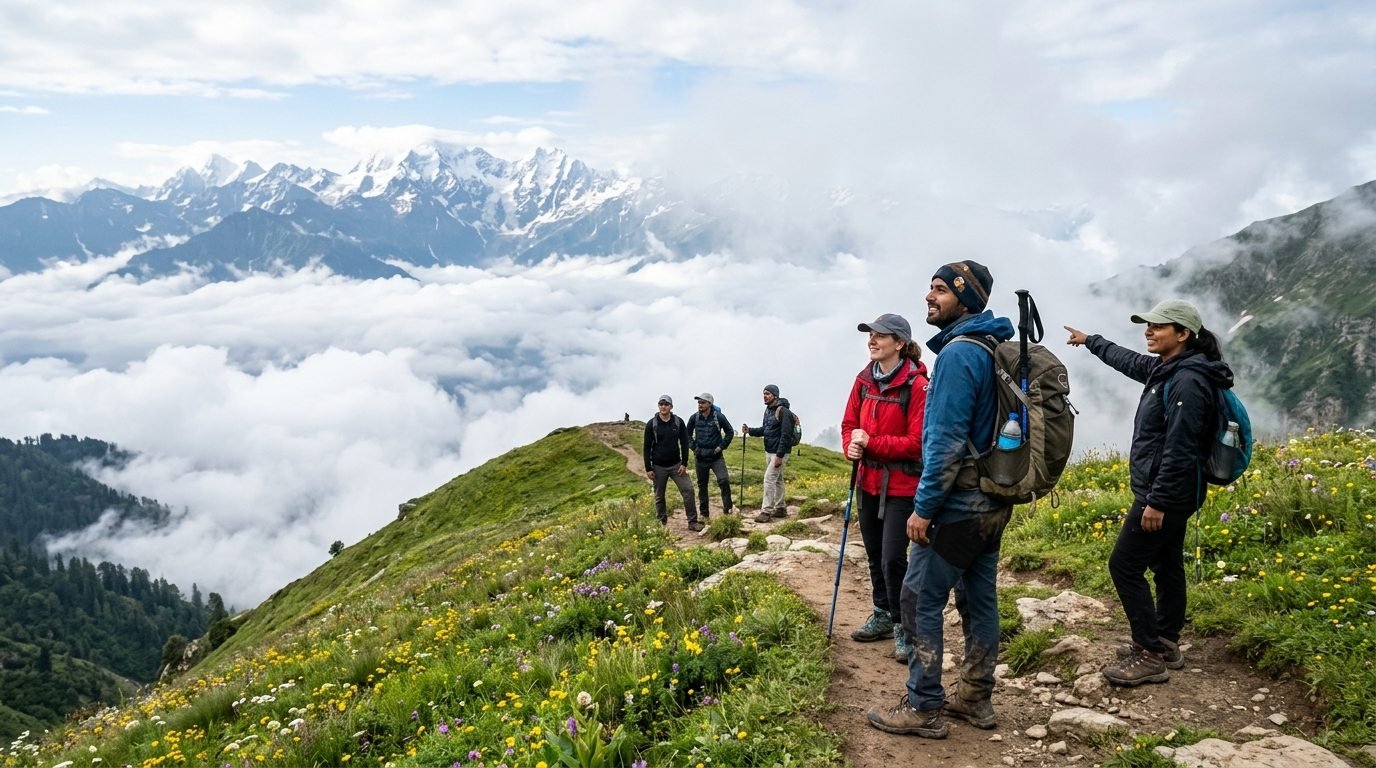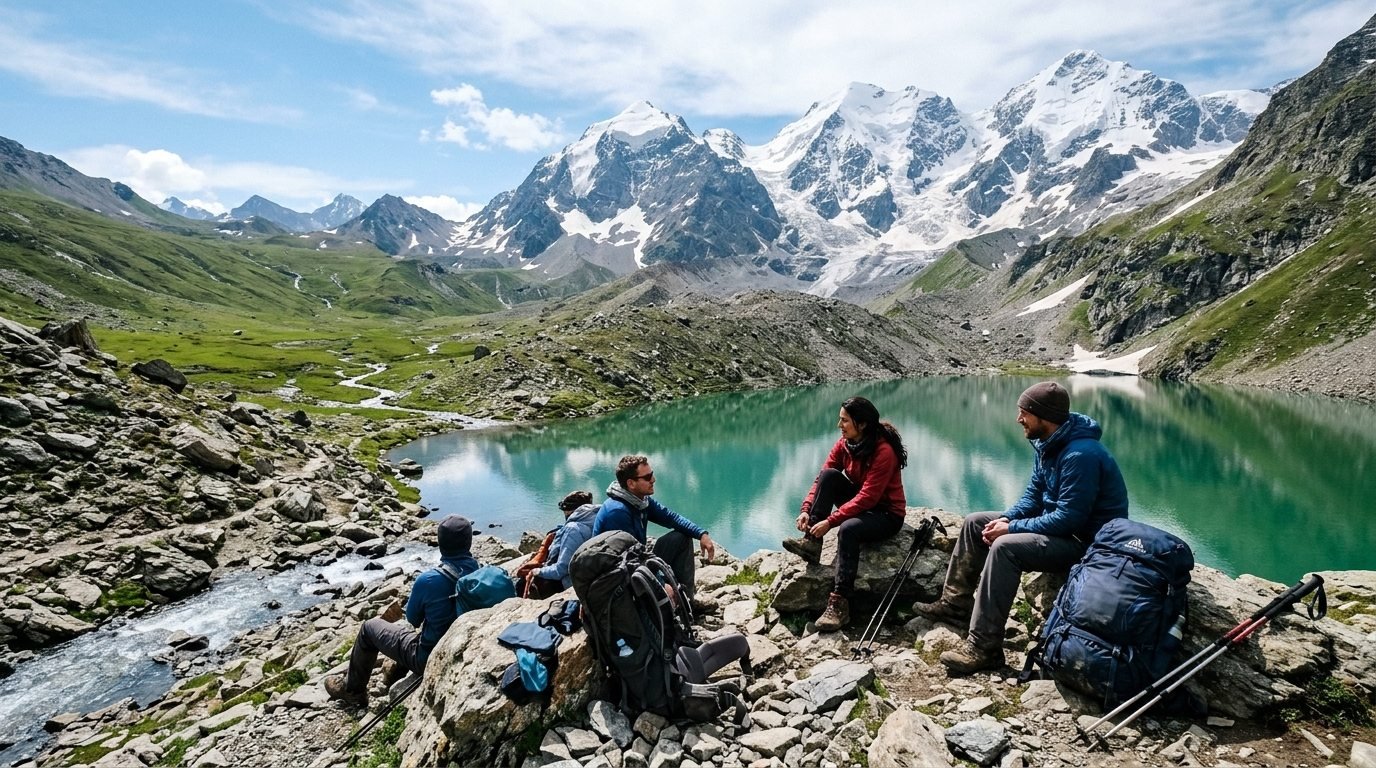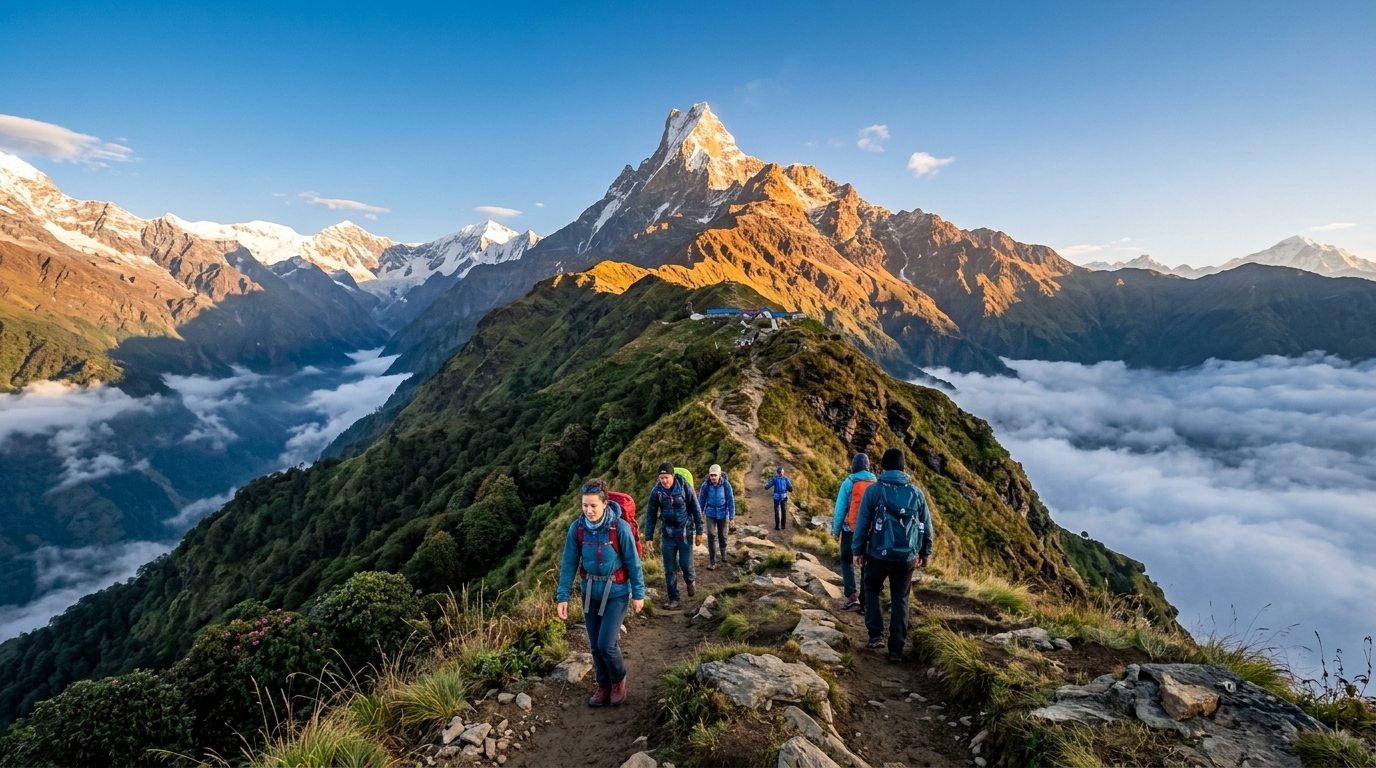
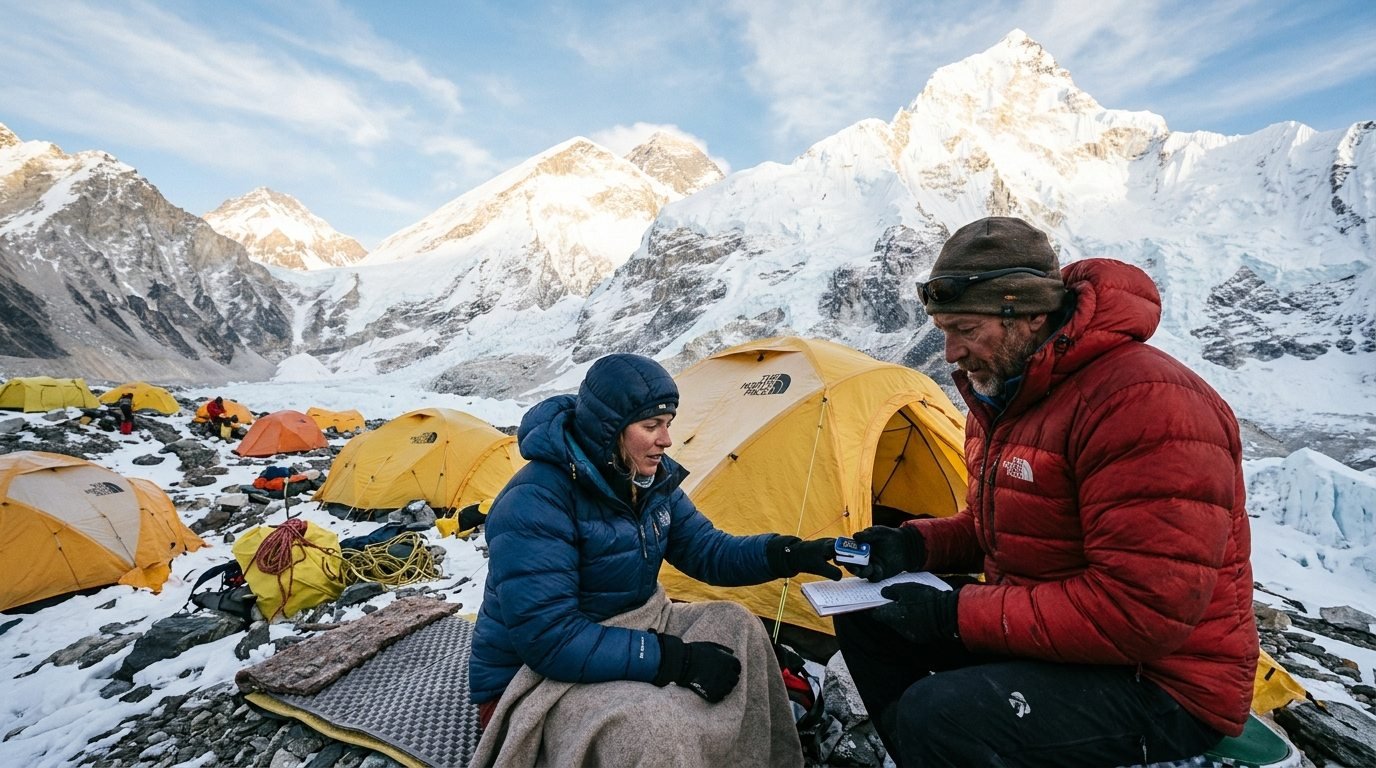
High altitude is defined physiologically as any elevation above 2,500 meters (8,200 ft). Beyond this point, decreased barometric pressure reduces the number of oxygen molecules per breath, causing a cascade of biological responses.
How the Body Adapts (The 3 Stages of Acclimatization):
- 1Hyperventilation & Respiratory Alkalosis: Your brainstem senses lower arterial oxygen and triggers faster, deeper breathing to expel carbon dioxide.
- 2Erythropoietin (EPO) Surge: Within 24-48 hours, the kidneys release EPO, stimulating bone marrow to produce more red blood cells and hemoglobin.
- 3Capillary & Mitochondrial Density: Over weeks, muscle tissues generate new micro-capillaries to enhance oxygen extraction efficiency.
Recognizing Altitude Illness Early (Lake Louise Score):
- Acute Mountain Sickness (AMS): Headache combined with nausea, fatigue, insomnia, or dizziness. Managed by resting, hydration, and halting ascent.
- High Altitude Pulmonary Edema (HAPE): Fluid accumulation in lung alveoli. Symptoms include persistent dry cough, gurgling breath, cyanosis (blue lips), and extreme breathlessness at rest. Immediate descent is mandatory.
- High Altitude Cerebral Edema (HACE): Swelling of brain tissue causing ataxia (inability to walk heel-to-toe), severe confusion, and hallucinations. Life-threatening; requires immediate hyperbaric therapy (Gamow bag) and descent.
The Golden Mountaineering Rules:
- 1Climb High, Sleep Low: Push your body on daytime acclimatization hikes, but sleep at lower elevations to recover.
- 2Limit Sleeping Elevation Gains: Above 3,000m, increase sleeping altitude by no more than 300 to 500m per 24 hours, with a mandatory rest day every 3 days.
- 3Hydration Discipline: Drink 4 to 5 liters of fluids daily (warm water, electrolyte solutions, and garlic soups) to offset respiratory moisture loss.
At Peak Core India, every expedition leader carries medical-grade pulse oximeters, portable oxygen cylinders, and emergency communication radios on all departures.
Topics:#Acclimatization#AMS Prevention#HAPE#Mountain Safety#Wilderness Medicine